Confirmed Speakers and Panelists
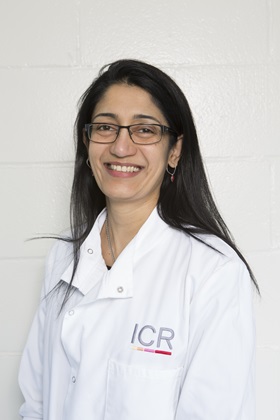
Dr Navita Somaiah
The Institute of Cancer Research, London, and the Royal Marsden NHS Foundation Trust
Dr Somaiah is a leading breast cancer researcher looking to understand why tumours and normal tissues respond differently to daily doses of radiation with the ultimate aim of personalising radiotherapy based on biology. Dr Somaiah is also interested in understanding late effects from radiotherapy and combining novel drugs, including immunotherapy, with radiation to maximise tumour control whilst minimising normal tissue toxicity.
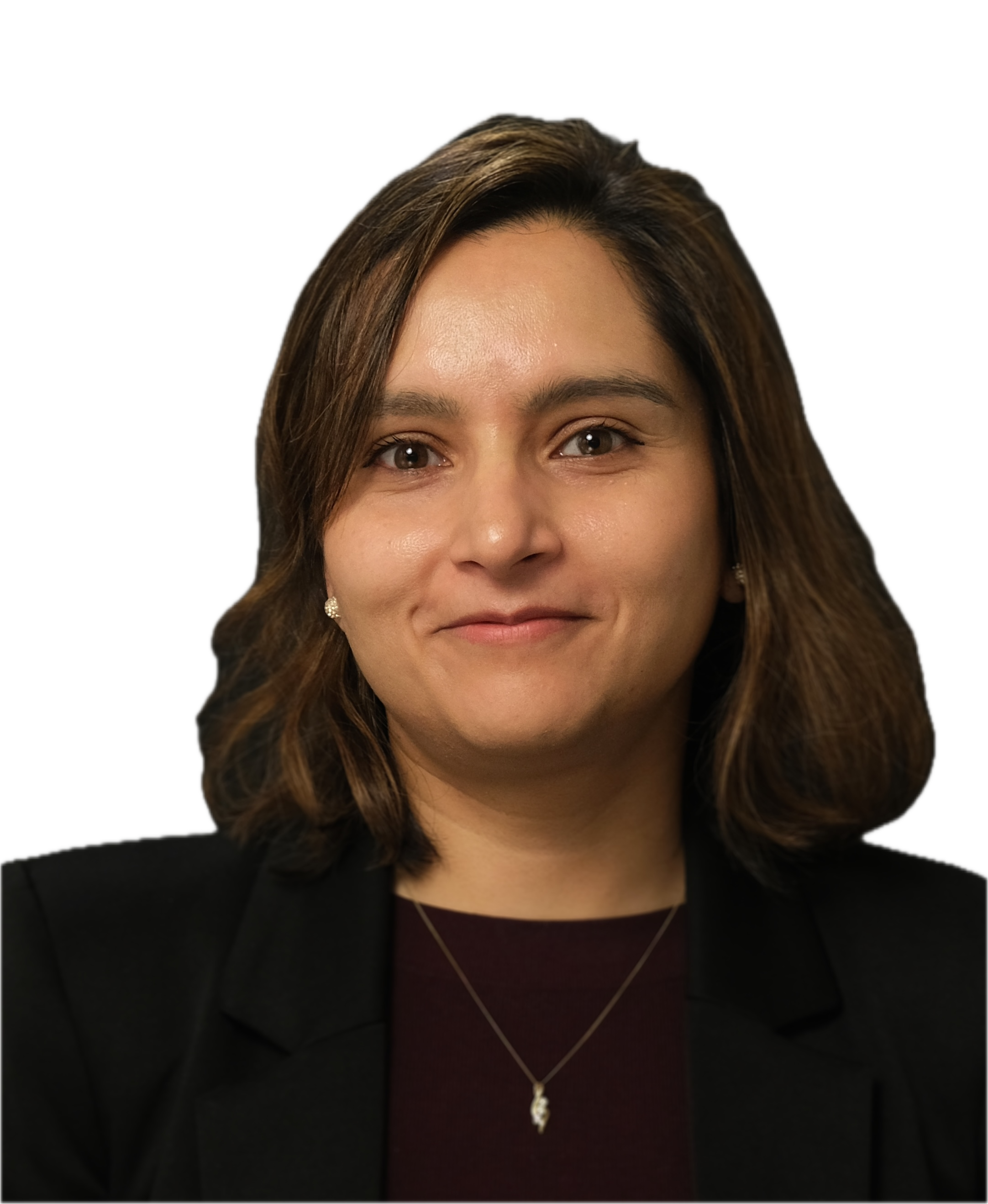
Dr Uzma Asghar
Consultant Medical Oncologist and Concr Co-founder
Dr Asghar leads the scientific strategy for a platform that uses digital twin technology and genomic data to predict how individual patients will respond to specific cancer therapies. As a Consultant Medical Oncologist in the NHS, Dr Asghar specialises in personalised cancer treatment and clinical trials.
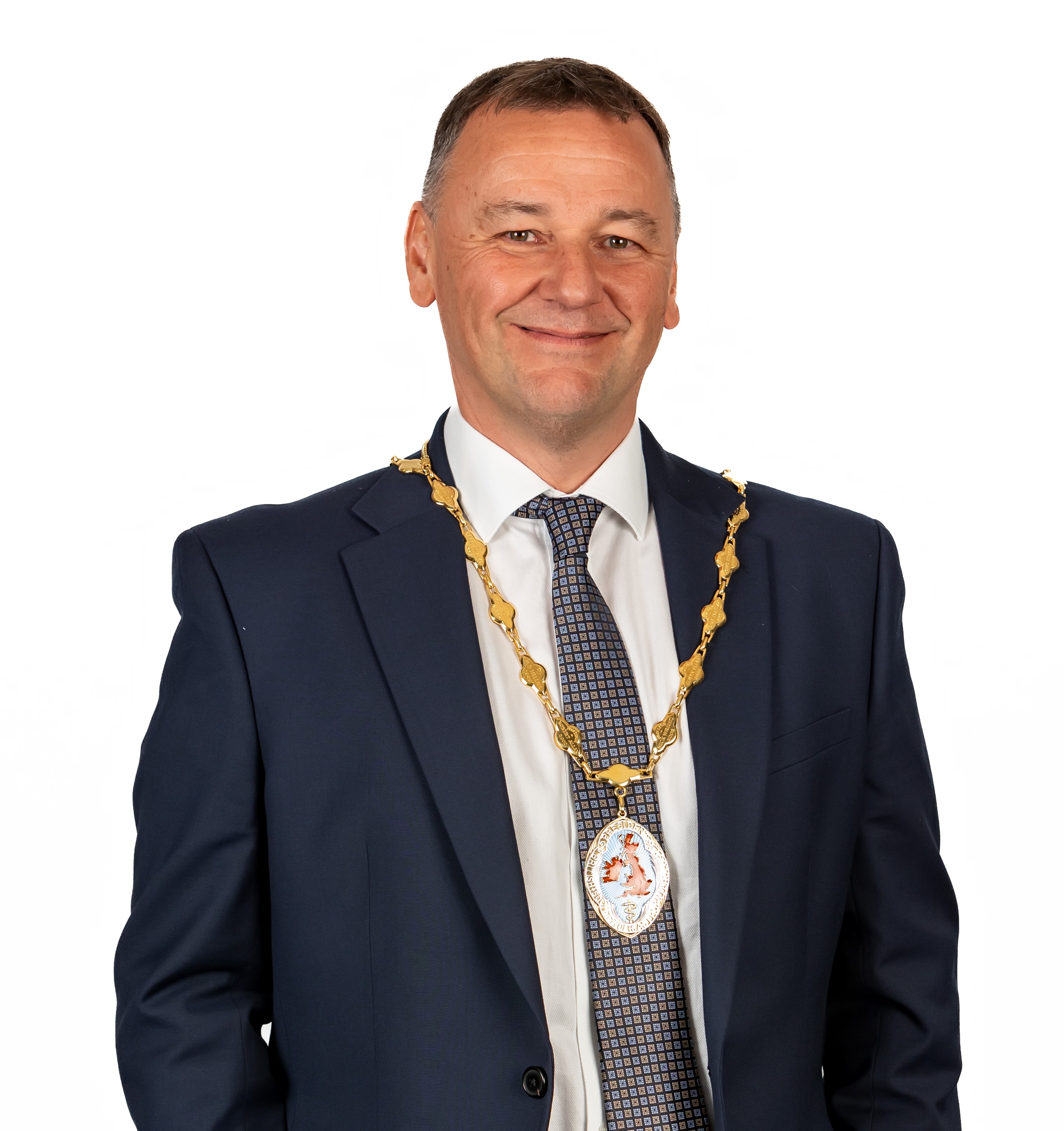
Prof. Colin Rees
Professor of Gastroenterology, Population Health Sciences Institute, Newcastle University, and President of the British Society of Gastroenterology
Prof. Rees is a leading expert in endoscopy and colorectal cancer (CRC) screening, prevention, and early diagnosis. Prof. Rees also established and leads COLO-SPEED, a large-scale research collaboration focused on colorectal cancer.
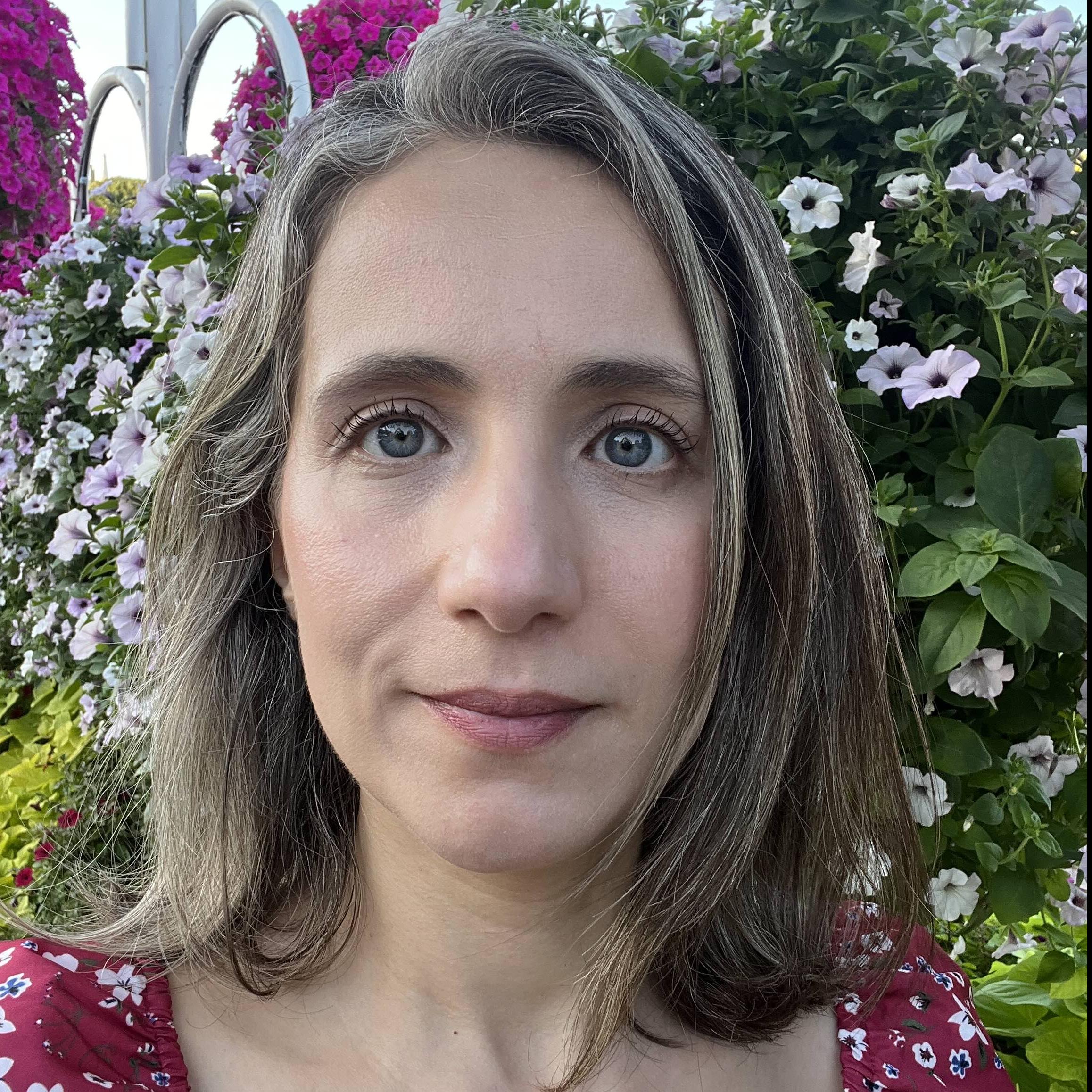
Prof. Noura Al Moubayed
Professor in Machine Learning and AI, Department of Computer Science, Durham University
Prof. Al Moubayed is a leading expert in machine learning, artificial intelligence, and its explainability. Prof. Al Moubayed leads a research lab advancing cutting-edge machine learning and deep learning solutions with a particular focus on healthcare.
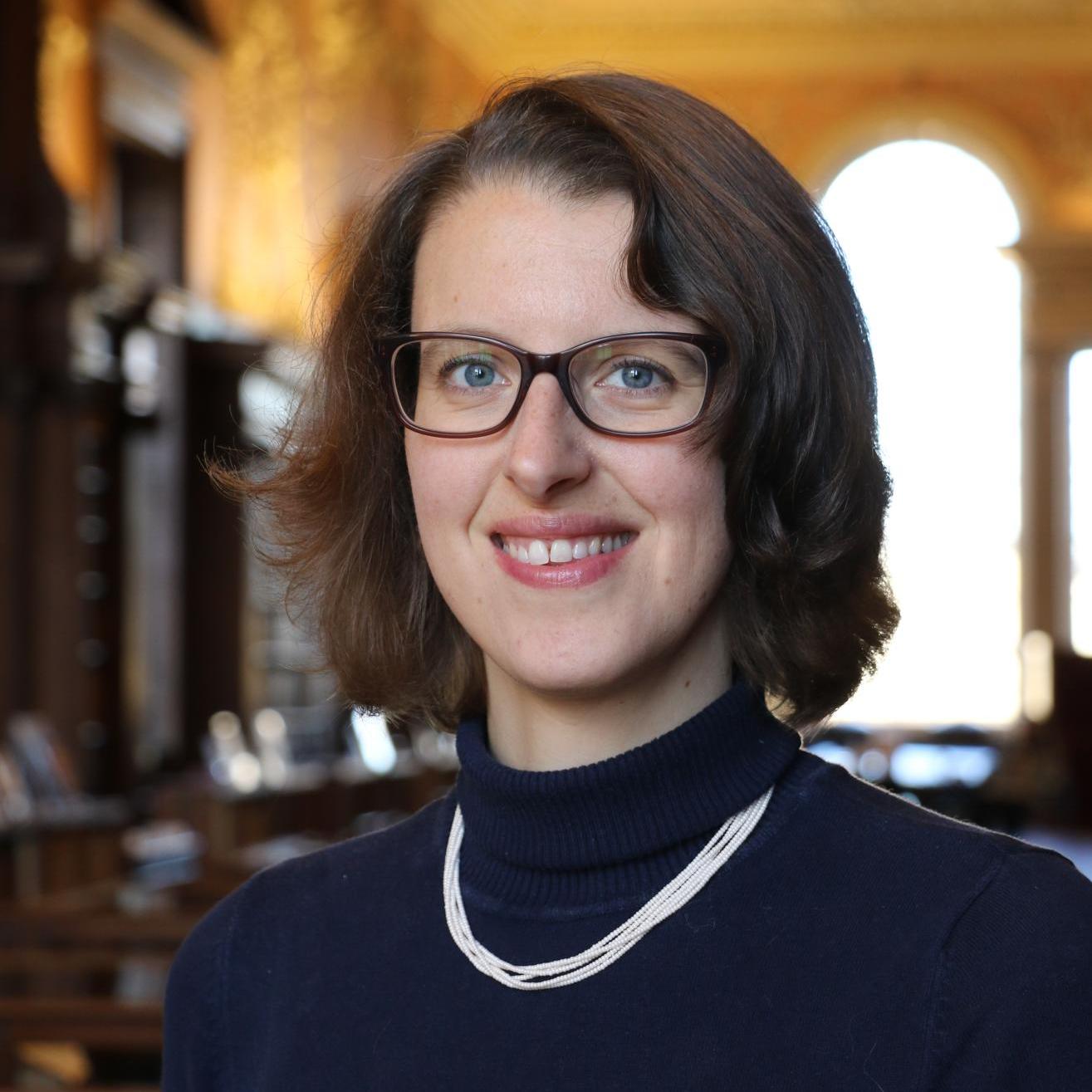
Dr Kathleen Vancleef
Associate Professor in Cognitive Neuroscience and NIHR Advanced Fellow, Department of Psychology, Durham University
Dr Vancleef leads research aiming to understand how the brain interprets the world around us and how to improve diagnosis and rehabilitation of visual perception difficulties after a brain injury. Dr Vancleef works closely with patients and clinicians to learn about their experiences and needs.
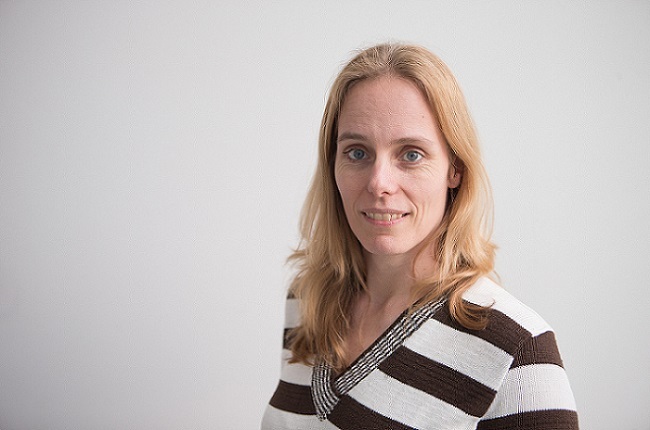
Dr Patricia Muller
Associate Professor, Department of Biosciences, Durham University
Dr Muller leads a research group investigating cancer biology. She focuses on the p53 tumor suppressor protein and its role in cancer progression in relation to metal deposition in tumours. Dr Muller is a key academic collaborator of the company Pleco Therapeutics (The Netherlands), with whom she is testing the use of novel patented plecoid therapies to remove metals in various cancers.
Dr Srikanth Ramaswamy
Assistant Professor and NUAcT Fellow, Biosciences Institute, Faculty of Medical Sciences, Newcastle University
Dr Ramaswamy leads a research programme pioneering a cross-disciplinary approach at the interface of experiments and computational modelling to explore the function of neuromodulators in brain computation. His lab studies the role of histamine in learning and memory, and aims to develop "neuromodulation-aware" artificial neural networks to predict how the neocortex learns and represents information.
Dr David Sinclair
Lecturer, Population Health Sciences Institute, Faculty of Medical Sciences, Newcastle University
Dr Sinclair is an epidemiologist whose work focuses on understanding patterns of health across populations. Using cohort studies, routinely collected electronic health records, and clinical trials, his research explores healthy ageing and health inequalities. Through this work, he aims to generate evidence that informs health policy and practice.

Dr Matthew Griffiths
Chief Technology Officer, Concr Ltd
Dr Griffiths leads the development of Concr's technology, managing the strategy, algorithmic development, model and data integration, and collaborations with computational research partners. Dr Griffiths research involves the development computational methods from biophysical simulations of cells and molecular similarity algorithms to advanced Bayesian and Monte Carlo simulation algorithms.

Dr James Nightingale
Ernest Rutherford Fellow, School of Mathematics, Statistics and Physics, Newcastle University
Dr Nightingale is an observational cosmologist who uses gravitational lensing to study the most massive black holes, the smallest dark matter clumps and the most distant Universe. Dr Nightingale also collaborates with healthcare researchers on applying the statistical techniques he developed for Cosmology to improve cancer treatments.
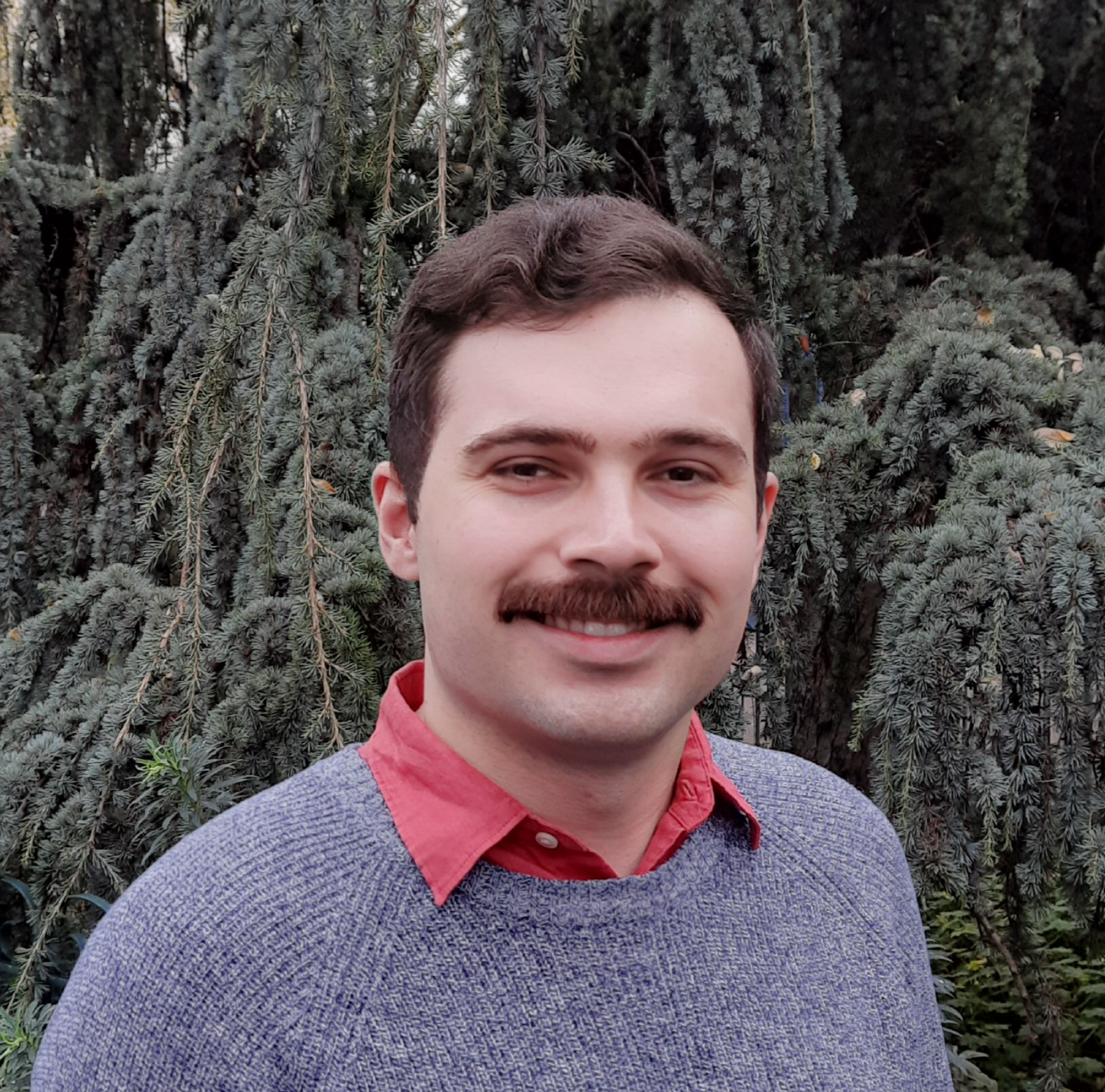
Dr Maximilian von Wietersheim-Kramsta
Postdoctoral Researcher, Institute for Computational Cosmology and Centre for Extragalactic Astronomy, Durham University
Dr von Wietersheim-Kramsta is a cosmologist at the intersection between theory and observation interested in the nature of dark matter, gravity, and dark energy. To this end, he also develops statistical techniques which he also applies to research in cancer treatments in collaboration with healthcare researchers.